Subscriptions everywhere! Clean up those forgotten monthly fees | WSJ
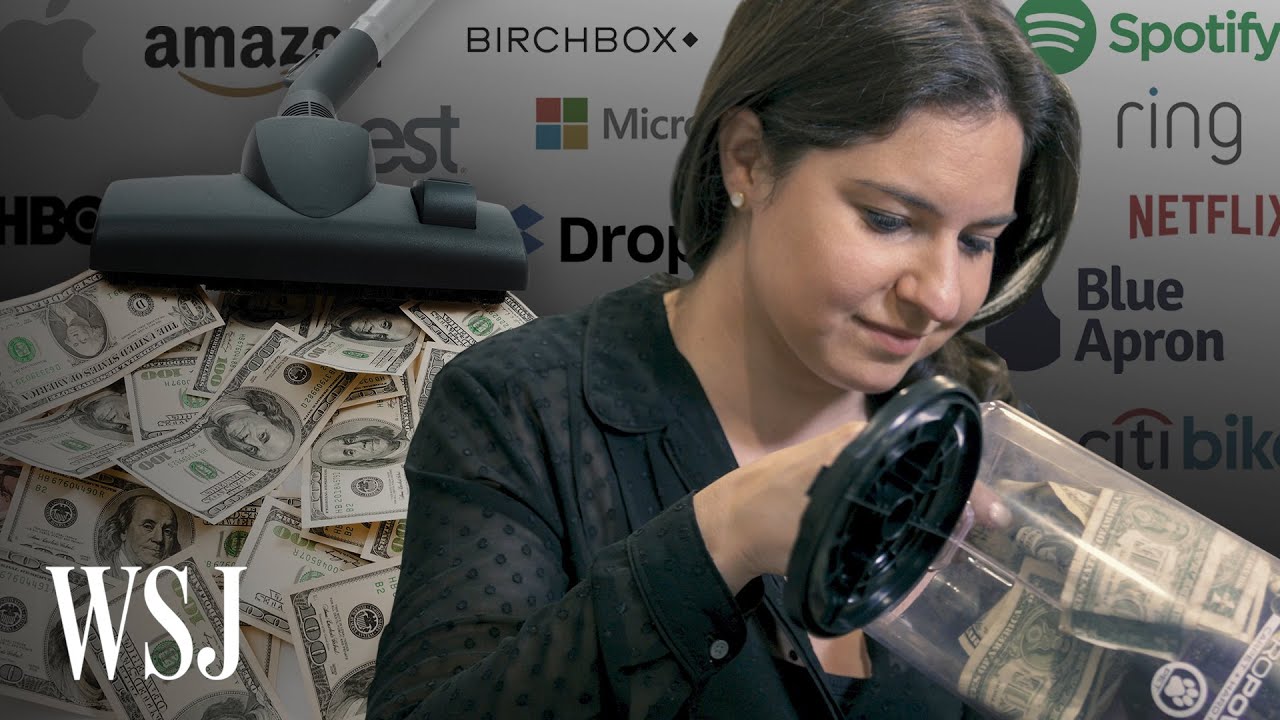
Think about these questions before watching. Share your ideas with a partner.
- What kinds of subscriptions do you currently have, both digital (like streaming services) and physical (like gym memberships)? Which ones do you find most valuable, and why?
- Have you ever found yourself paying for a subscription you rarely or no longer use? How did you discover it, and what did you do about it?
- The video suggests that more and more everyday items are becoming subscription-based. What are your thoughts on this trend? Can you imagine a future where even basic household appliances require a monthly fee to function fully?
Watch the video carefully. Pay attention to the main ideas and key details.
Answer these questions in your own words. Support your answers with evidence from the video.
Decide if each statement is true or false. Correct the false ones.
Vocabulary
The Subscription Economy
Match the terms and phrases related to the modern subscription model.
Match each item on the left with the correct item on the right.
Useful phrases: Discussing managing personal subscriptions and expenses with friends or family
Complete the sentences with words from the box. One word is extra.
The hidden costs of modern living
The rise of subscriptions has changed how we pay for almost everything.
Read the passage below, then answer the comprehension questions.
It seems almost impossible to avoid the subscription model today. From entertainment to productivity tools, and even smart home devices, everything comes with a monthly fee. This constant stream of charges often leads to what many are calling 'subscription fatigue.' People find themselves overwhelmed, struggling to keep track of all their commitments. It's incredibly easy to fall into the trap of signing up for a free trial, only to forget about it until it silently converts into a recurring monthly charge. For households trying to streamline their expenses, these small, often overlooked payments can quickly get out of hand, collectively draining a significant portion of their budget. Companies, of course, love this predictable recurring revenue, but for consumers, it means a constant battle to monitor and manage their spending, often without realizing the true cumulative cost until it's too late.
Choose the best answer based on what you heard in the video.
Discuss these questions with a partner. Try to use vocabulary from the lesson.
- The video suggests that subscriptions are 'getting out of hand'. Do you agree with this statement based on your own experience or what you observe in your country? Have you ever felt 'subscription fatigue', and what strategies do you use to 'streamline your expenses' and avoid paying for things you don't use?
- Companies often rely on 'recurring revenue' and the fact that people 'fall into the trap of' forgetting to cancel subscriptions. Do you think this business strategy is ethical, or does it take unfair advantage of consumers? What are the main benefits and drawbacks of the subscription model for both businesses and customers?
- Imagine a future where many essential household items, like your refrigerator or even your car, require monthly subscriptions to function fully. How might this impact people's financial planning and overall quality of life? What steps can individuals take to avoid 'falling into the trap' of excessive subscriptions and ensure they can still 'streamline their expenses'?