Getting a tattoo: understanding advice and aftercare
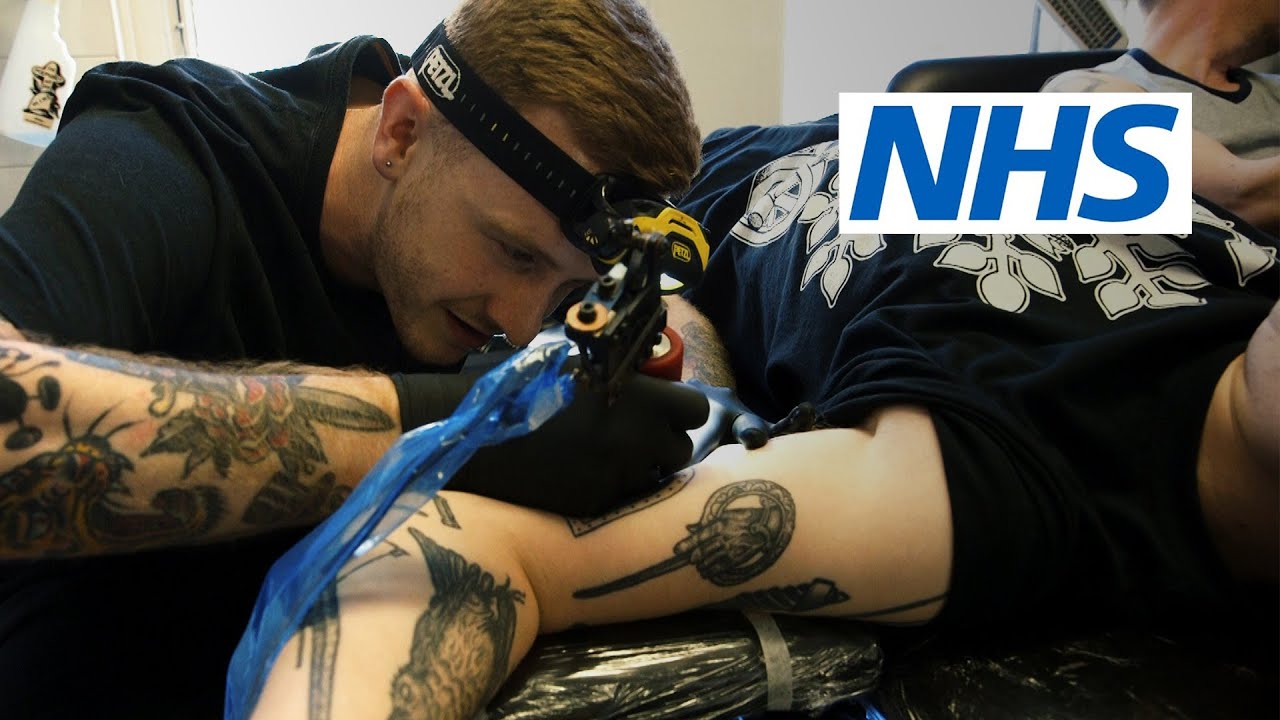
1
Think about these questions before watching. Share your ideas with a partner.
- Thinking about tattoos as a permanent form of self-expression, what kind of design or symbol do you think would still be meaningful to you in 20 years, and why?
- In what ways might having visible tattoos affect a person's professional life or how they are perceived by others in your culture?
- Beyond the design itself, what practical considerations and potential risks should someone think about before making a permanent change to their body?
2
Watch the video carefully. Pay attention to the main ideas and key details.
3
Answer these questions in your own words. Support your answers with evidence from the video.
01According to the video, what are the key indicators that a tattoo shop is reputable and operating legally?
Sample answerThe video says a reputable shop must have a licence from the local council. This licence should be displayed somewhere visible for both the shop and each individual artist.
02What specific hygiene procedures does the artist in the video follow to ensure the client's safety?
Sample answerShe mentions several things. She always wears gloves, and she opens all the sterilised packages, like the grips and new tips, right in front of the client so they can see everything is clean.
03The video gives specific advice about water and scabs during the healing process. Why is following this advice crucial for a good result?
Sample answerIt's crucial because if you submerge the tattoo in a bath or go swimming, it could get infected. Also, the main goal is to let the scab heal and fall off by itself. If you pick at it, you could damage the tattoo underneath.
04In what way does the video suggest a client should interact with their tattoo artist, both before and after getting the tattoo?
Sample answerIt suggests the relationship should be built on trust and communication. You should research them and feel comfortable beforehand, and you shouldn't hesitate to ask for advice if you have any problems with healing.
4
Vocabulary
Vocabulary
These expressions will help you communicate more naturally about this topic.
Examples
To have second thoughts — to start having doubts about a decision you have already made.
This is a common idiom used when you feel uncertain about a commitment. You can say, 'I was excited to get the tattoo, but now I'm having second thoughts.'
A spur-of-the-moment decision — a decision made suddenly and impulsively, without any previous planning.
Use this to describe unplanned actions. For example, 'Getting a tattoo shouldn't be a spur-of-the-moment decision; you should do your research first.'
To be prone to (something) — to have a natural tendency to be affected by a particular illness, problem, or type of behaviour.
This is often followed by a noun like 'infection', 'allergies', or 'scarring'. For example: 'If your skin is prone to infection, you must be extra careful with aftercare.'
To follow instructions to the letter — to do exactly what you are told to do, paying attention to every detail.
This idiom emphasizes strict obedience to rules or guidelines. For instance, 'To ensure your tattoo heals well, you must follow the aftercare instructions to the letter.'
Touch-up — a small session to add or correct details on a tattoo after it has healed, often to fix faded ink or sharpen lines.
This noun is common in the tattoo world. You might ask an artist, 'Do you include a free touch-up session after the tattoo has healed?'
5
Decide if each statement is true or false. Correct the false ones.
01The video suggests that the primary goal of moisturizing a new tattoo is to prevent any scabs from forming at all.
02If you are concerned about the healing of your tattoo, it is acceptable to seek advice from a different tattoo shop.
03The artist in the video uses a combination of sterilized reusable equipment and brand new disposable items.
04For the first two weeks of healing, you must keep your new tattoo completely out of the sun.
05The artist believes it's important to unpackage sterilized equipment in the client's presence.
6
Discuss these questions with a partner. Try to use vocabulary from the lesson.
- Considering the cultural perception of tattoos in your country, do you think young people are more likely to make a spur-of-the-moment decision to get one, or do they carefully research it to avoid having second thoughts later in life?
- Some people believe every tattoo should have a deep, personal meaning, while others see it purely as body art. Which viewpoint do you agree with more, and is a tattoo gotten as a spur-of-the-moment decision less valid than one planned for years?
- The video emphasizes the importance of aftercare. Do you think most people follow these instructions to the letter, or are they likely to be more careless? What could be the consequences for someone who is prone to skin irritation if they don't take the aftercare seriously?